by BreezeMaxWeb | Sep 4, 2026 | 3D Printer
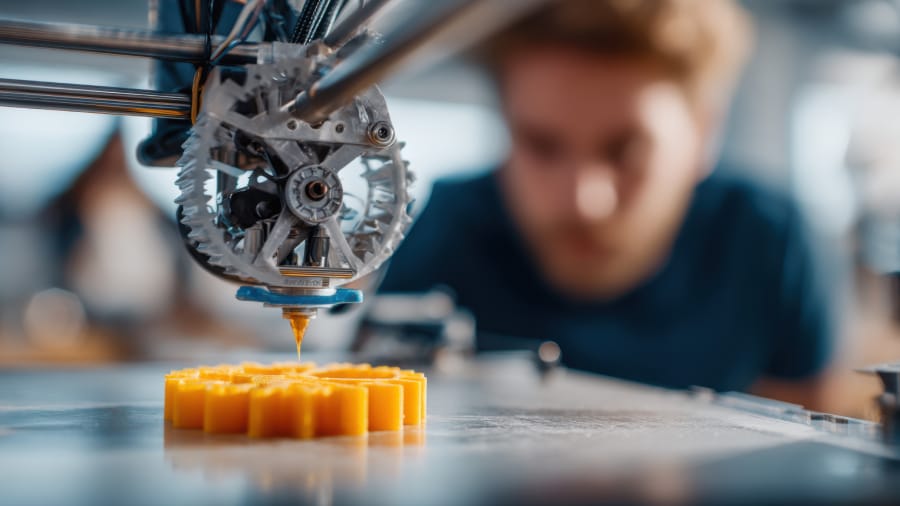
CAD basics, printer operation, material selection, and troubleshooting techniques are usually taught in 3D printing workshops over 2-4 hours. They’re perfect for hobbyists, students, small business owners, and anyone wanting to turn sketches into physical...
by BreezeMaxWeb | Sep 4, 2026 | 3D Printer
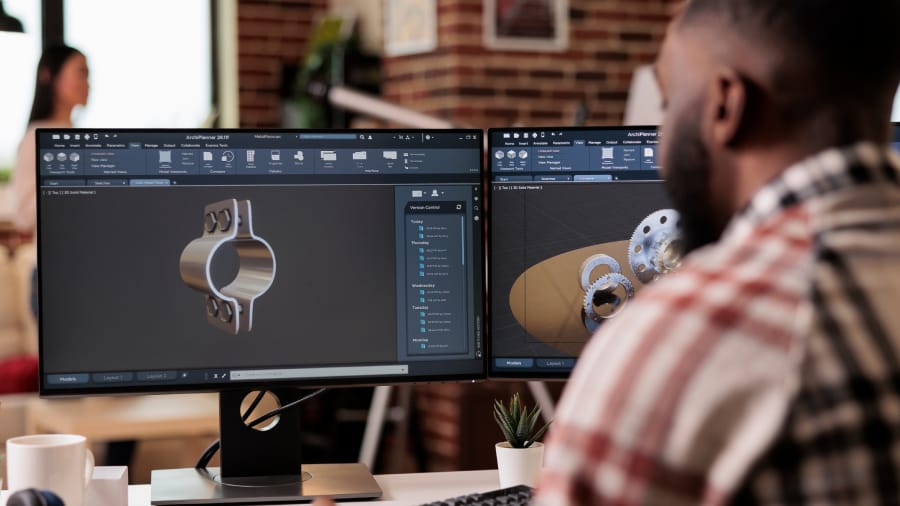
Help can usually be found through online tutorials, community forums, or professional design services if you don’t know CAD. Design assistance is offered by many 3D printing companies; your sketches or ideas will be worked with to create printable files. Time is...
by BreezeMaxWeb | Sep 4, 2026 | 3D Printer
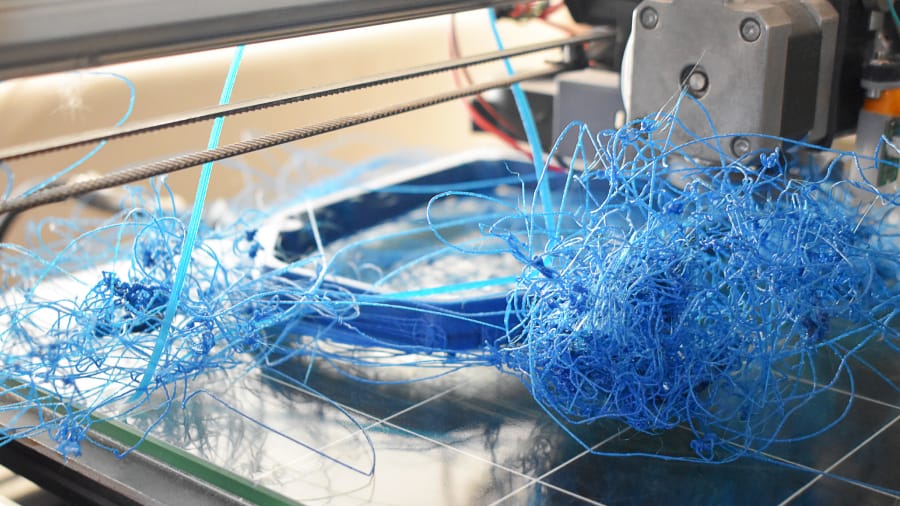
Bed adhesion problems, incorrect temperature settings, or poor support placement are usually responsible for 3D print failures; these issues are prevented by professional services through calibrated equipment, proper material handling, and experience-based...
by BreezeMaxWeb | Aug 5, 2026 | 3D Printer
Practical ways to create custom learning tools, prototypes, and interactive models are offered to students and educators in St Catharines through 3D printing. Projects usually range from simple geometric shapes to complex working mechanisms; popular options include...
by BreezeMaxWeb | Aug 5, 2026 | 3D Printer
Physical prototypes can be created by inventors in 2-5 days using 3D printing, usually costing $50-500 per part depending on size and complexity. Form, fit, and basic function are tested through this rapid prototyping process before expensive manufacturing is invested...
by BreezeMaxWeb | Aug 5, 2026 | 3D Printer
Yes, many one-off replacement parts for home repairs can be 3D printed by you, particularly non-structural components like knobs, clips, and brackets. Success usually depends on the part’s complexity and material requirements; simple plastic parts work best,...
by BreezeMaxWeb | Jul 9, 2026 | 3D Printer
Beginners and decorative items are usually best served by PLA, functional parts that need durability work well with ABS, and a middle ground with good strength and easier printing than ABS is offered by PETG. Whether you prioritize ease of use, strength, or...
by BreezeMaxWeb | Jul 9, 2026 | 3D Printer
3D printed parts can be quite strong, usually ranging from 20-80% the strength of traditionally manufactured parts depending on material and print quality. Around 50 MPa of tensile strength is handled by PLA parts; PETG and ABS can reach 70+ MPa with proper settings....
by BreezeMaxWeb | Jul 9, 2026 | 3D Printer
Your specific requirements are what the best 3D printing materials for prototypes usually depend on: PLA for detailed appearance models, PETG for functional parts needing moderate strength, and ABS for durable prototypes requiring heat resistance. TPU works well when...
by BreezeMaxWeb | Jun 13, 2026 | 3D Printer
±0.1mm to ±0.5mm accuracy is usually delivered by standard desktop printers, while ±0.05mm tolerances can be achieved by professional machines; however, final precision gets impacted significantly by factors like material shrinkage, layer adhesion, and print settings....