Blogs
3D Printing Accuracy & Tolerances: Custom Parts Guide
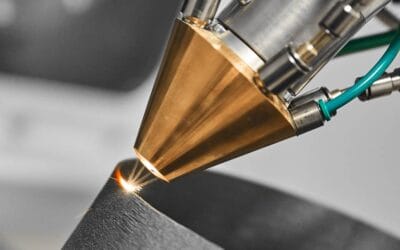
3D printing accuracy is influenced significantly by technology, materials, and printer quality. Tolerances between ±0.1mm to ±0.5mm are typically achieved by desktop FDM printers, while ±0.05mm precision can be reached by professional SLA and SLS systems. As it turns out, final accuracy gets affected by layer height settings and print orientation more than most people realize. Tight engineering specifications are often met through post-processing techniques. Newcomers to the technology continue to be surprised by the gap between consumer expectations and actual capabilities.
3D Printing Services Ontario: Turnaround, Cost & Quality Factors
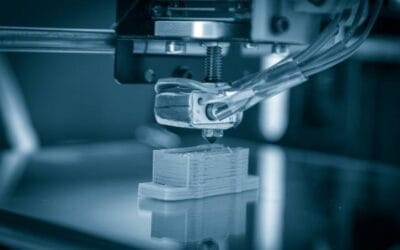
Design complexity, material choice, and service provider capabilities are the three main factors that shape your 3D printing experience in Ontario. As it turns out, the fastest turnaround or best quality is rarely delivered by the cheapest option. Overhangs, support structures, and fine details that require careful planning determine print complexity. Both cost and timeline are affected by material selection, since different temperatures and cooling times are needed by specialty filaments. First-time customers often misunderstand the relationship between these factors. Understanding your project’s true priorities is what finding the right balance usually comes down to.
STL vs STEP Files for 3D Printing: Which Format to Send
Nearly every first-time 3D printing customer gets hit by file format confusion. Most printers and slicing software can process STL files, while the original design intent and modification capabilities are preserved by STEP files. As it turns out, whether your project gets printed quickly or requires additional design work often gets determined by the choice between these formats. Printing services are typically sent STL files, but when changes might be needed, STEP files are preferred. Your project’s complexity and whether future edits are expected usually influences the decision.
How to Prepare 3D Models for Printing: Fix Common File Issues
Most 3D printing failures are caused by issues that occur before the printer even starts running. Roughly 60% of failed prints can be attributed to file preparation problems, based on available data from service providers. As it turns out, the digital model that appears perfect on your screen might contain invisible problems that will cause real headaches later. Mesh errors, scaling issues, and file format problems are typically caught during the preparation phase by experienced operators. That’s why many hobbyists and small businesses in St. Catharines choose to work with local experts who can spot these issues early. The preparation process itself becomes less mysterious once you understand what should be looked for.
What to Expect When You Order 3D Printing: Step-by-Step Guide
Custom 3D printing orders can feel like unfamiliar territory is being entered, especially when sketches or rough ideas need to become real objects. As it turns out, a surprisingly predictable workflow is followed by most professional 3D printing services; this has been refined over years of helping hobbyists, students, and small businesses turn concepts into physical prototypes. Clear phases typically break down the process: initial consultation and file preparation, material selection and pricing, production scheduling, quality checks, and final pickup or delivery. How much guidance gets provided along the way is what many people don’t realize, particularly for first-time customers who might feel uncertain about file formats or material choices.
Cheapest Professional 3D Printing for Prototypes: Save Money
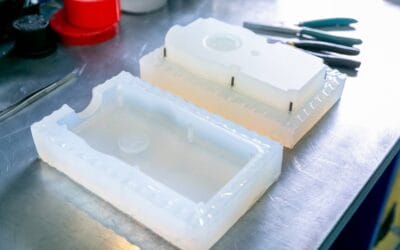
Professional 3D printing costs for prototypes are varied wildly across different service providers. As it turns out, the cheapest option isn’t always found through online marketplaces or big-name services. Better value is often offered by local providers when shipping, communication, and revision costs are factored in. A small business owner in St. Catharines recently discovered that working with a nearby service was actually 40% cheaper than using an overseas provider. Quality gets compromised when price becomes the only consideration; smart shoppers know where to look, though. The balance between cost and quality is usually found in places most people don’t think to check first.
3D Printer vs Service: Best Choice for Small Business?
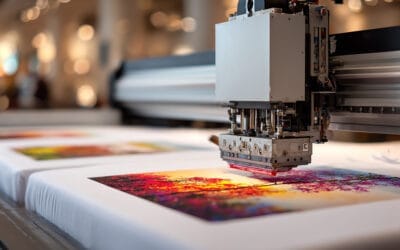
or most small businesses and startups, a 3D printing service is usually considered the better choice initially. Upfront costs are eliminated by services, expert guidance gets provided, and professional results are delivered; buying a printer makes sense once regular...
Design Help: Turn Your Sketch Into a 3D Printable File
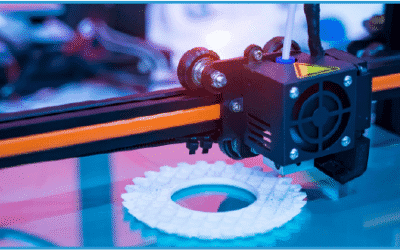
Several steps are involved when turning a hand-drawn sketch into a 3D printable file, though different approaches can be used to handle this process. As it turns out, advanced CAD skills are assumed necessary by many people, but that gap can be bridged effectively through professional design assistance. Your concept gets digitized first, then 3D modeling software is used to create the geometry that printing requires. Various file formats get used throughout this workflow; STL files are considered the standard for most 3D printers. The complexity really depends on your design’s details and how comfortable you feel with technology.
How Fast Can You Get a Prototype Printed in Ontario?
Rapid prototyping timelines in Ontario are influenced significantly by complexity, materials, and local service capabilities. Simple prototypes can often be printed within 24-48 hours, while more intricate designs might require 3-7 days for proper finishing and quality checks. As it turns out, printer speed isn’t always the biggest factor; design preparation and post-processing requirements are often what matter most. File issues or material selection delays are what many projects get held up by rather than actual print time. The landscape of 3D printing services across Ontario has been expanded considerably, though finding the right balance between speed and quality remains something most designers learn through experience.