
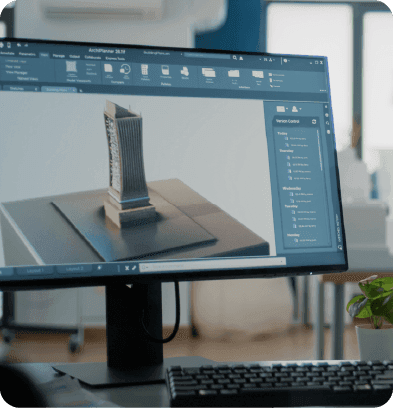
3D printing costs in Ontario usually range from $5 to $200+ per model, depending on size, material, and complexity. Simple PLA prints might cost $10-30; detailed resin models or engineering plastics can reach $50-150 or more. Free quotes are offered by many local services, so options can be explored before committing to your project.
Fast Facts
- Basic PLA prints in Ontario typically cost $0.50-2.00 per cubic centimeter
- 20-40% is added to base pricing by complex models with support structures
- Rush orders (24-48 hour turnaround) often include 50-100% premium fees
- Material costs vary: PLA ($0.50/cm³), ABS ($0.75/cm³), PETG ($1.20/cm³), engineering plastics ($3-15/cm³)
- Post-processing services like sanding or painting add $15-50 per hour
Understanding Base Pricing Structure
A volume-based system is used by most 3D printing services in Ontario to calculate costs. Your model gets measured in cubic centimeters, then the material rate is multiplied by that figure. But that’s just the starting point. Print complexity, support requirements, and finishing work all add to your final bill. This was recently discovered by a student from St. Catharines when her simple phone case design jumped from $12 to $28 after custom text was added that required supports.
Material Costs Breakdown
PLA remains the most budget-friendly option at roughly $0.50-2.00 per cubic centimeter across Ontario. ABS costs slightly more, but better durability for functional parts is offered. PETG sits in the middle; it’s popular with small businesses making prototypes. Engineering materials like nylon or carbon fiber composites can reach $10-15 per cubic centimeter. One local inventor switched from carbon fiber to glass-filled nylon. His prototype costs were reduced by 60%.
Size and Complexity Factors
Larger models obviously cost more, but the relationship isn’t always linear. A 10cm cube might cost $25, while a 20cm cube could reach $180 due to longer print times and material waste. Support structures are needed by complex geometries with overhangs, which get removed afterward. That removal process is often charged separately. Plus, slower print speeds are required by intricate details, increasing machine time costs.
Geographic Pricing Differences
Toronto and Ottawa services typically charge 15-25% more than smaller Ontario cities. Competitive rates while maintaining quality standards are often offered by St. Catharines and similar communities. Shipping costs can offset savings if you’re ordering from distant providers. Working with nearby services for rapid prototyping needs is appreciated by many local businesses. The relationship aspect matters more than pure cost for ongoing projects.
Business vs. Hobbyist Pricing
Volume discounts after establishing relationships with providers are often received by commercial customers. Educational pricing exists at many Ontario services, typically 10-20% below standard rates. Smaller minimum orders and more flexible timelines benefit hobbyists. “Batch printing” is offered by some services where multiple small items share print bed space, reducing individual costs. The gap between ideas and printable files is bridged by design assistance programs.
Hidden Costs and Extras
File preparation fees range from $15-50 if your model needs repair or modification. Support removal is sometimes included, sometimes charged at $20-30 per hour. Significant costs are added by post-processing like sanding, painting, or assembly. Premium pricing is commanded by rush orders, often doubling standard rates. This lesson was learned by one startup when their trade show deadline required overnight printing at triple normal cost.
Money-Saving Strategies
Designing with 3D printing in mind reduces support needs and material waste. Standard materials over exotic options should be chosen to save substantially. Providers are allowed to batch your job with others when flexible timelines are offered. “Print farm” rates for multiple identical pieces are offered by some services. Costly reprints are helped to be avoided when working with local experts who provide design assistance. That collaborative approach often produces better results anyway.
Getting Started with Your First Print
A simple design should be started with to understand the process and costs. Quotes from 2-3 local providers should be requested to compare pricing and capabilities. Free consultations to discuss your project needs are offered by many Ontario services. Starting with PLA material for initial prototypes should be considered, then upgrading to engineering plastics if needed. How we guide first-time customers through every step of bringing their ideas to life can be explored by visiting our website.
Mini-FAQ
Q: What’s the cheapest way to get something 3D printed in Ontario?
Local makerspaces or educational institutions should be checked first. Basic PLA printing at cost is offered by many, sometimes as low as material price plus a small service fee. Hobbyist projects are often welcomed by community workshops. Simple designs work well with that approach.
Q – How do I calculate the cost before ordering?
Your file’s volume measurement is used by most services. Your STL file gets uploaded, and cubic centimeters are calculated automatically by their system. Material choice gets selected next, then any finishing options. Fair point about wanting to know upfront costs.
Q: Are there hidden fees I should watch for?
Setup fees, file preparation charges, and support removal costs aren’t always mentioned initially. Extra charges for design modifications or multiple print attempts are applied by some providers if the first fails. Your total cost can be doubled by rush delivery premiums. That still surprises people.
Q – What affects the final price most?
The biggest cost differences are driven by material selection, followed by model complexity and required supports. A simple keychain in PLA might cost $8, while the same design in carbon fiber nylon could reach $45. Size matters too, obviously.