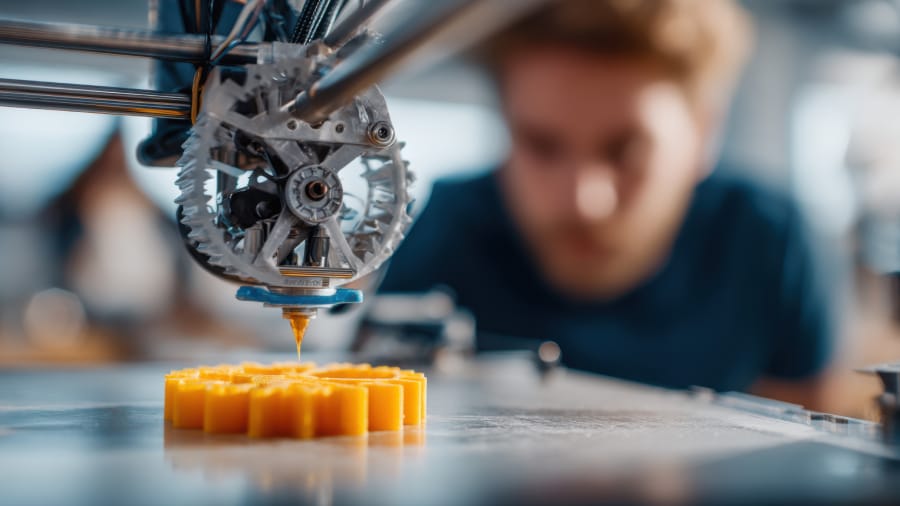
CAD basics, printer operation, material selection, and troubleshooting techniques are usually taught in 3D printing workshops over 2-4 hours. They’re perfect for hobbyists, students, small business owners, and anyone wanting to turn sketches into physical objects; hands-on printing time with expert guidance is included in most sessions throughout.
Fast Facts:
- Most workshops run 2-4 hours with hands-on printing time
- 85% of participants successfully complete their first print during the session
- Common attendees include hobbyists, students, educators, and small business owners
- Sessions typically cover 3-5 core topics from design to finishing
- Workshop costs range from $50-150 depending on materials and duration
Who Benefits Most From 3D Printing Workshops
The largest group in most workshop sessions is made up of hobbyists. Personal projects, custom parts for existing items, or creative gifts that can’t be found in stores are usually what they’re working on. Many come because their home printers aren’t giving them the results they want; they’re tired of failed prints eating up filament costs.
Another significant portion of attendees is represented by students and educators. 3D printing is often wanted by teachers to bring into their classrooms, but hands-on experience is needed first. Expert guidance that helps them avoid common mistakes benefits students working on engineering projects or art installations.
Workshops are attended by small business owners and product designers to test ideas before investing in equipment. A startup founder from St. Catharines recently told us she saved thousands by prototyping her product concept in a workshop before committing to manufacturing. That kind of smart planning happens more often than you’d think.
Core Skills You’ll Actually Learn
Design basics are covered first, but not in an overwhelming way. Simple CAD software to create basic shapes and modify existing designs will be learned by you. Practical skills that help you solve real problems rather than becoming a design expert overnight is where the emphasis stays.
A good chunk of workshop time is taken up by printer operation. How different settings affect print quality, what happens when things go wrong, and how to fix common issues will be seen by you. Most people are surprised by how much the printer setup affects the final result.
Material selection often gets overlooked by beginners, but the basics are covered in workshops. When to use PLA versus PETG, how different materials behave, and what works best for your specific projects will be learned. Plus, hands-on experience with the materials during your practice prints will be gained.
What Makes These Workshops Different
Educational workshops are set apart from online tutorials by the hands-on approach. Real equipment, real materials, and immediate feedback when something doesn’t look right is what you’re working with. That instant problem-solving experience builds confidence faster than watching videos alone.
Expert guidance means you’re not struggling through problems by yourself. Every common mistake has been seen by instructors, and they can help you avoid the frustrations that make people give up on 3D printing. Tips that aren’t found in standard tutorials or user manuals are also shared by them.
The learning is kept personal by small group sizes. Attendance is limited to 6-8 people by most workshops, so individual attention is given to everyone. Specific questions about your projects can be asked, and tailored advice that applies to your goals will be received.
Common Projects and Learning Outcomes
Simple, functional items are usually what first prints focus on. Phone stands, cable organizers, and basic tools work well because they’re useful and forgiving if dimensions aren’t perfect. The confidence needed for more complex work later is built by success with these projects.
Troubleshooting skills are developed naturally during workshop sessions. When prints don’t turn out as expected, problems will be identified and settings adjusted accordingly by you. This problem-solving experience proves valuable when you’re working on your own projects later.
Design thinking is introduced through practical examples. How objects will be printed, what support structures might be needed, and how to design for successful manufacturing will be considered by you. These concepts become second nature with guided practice.
Who Should Consider Advanced Sessions
Follow-up workshops that focus on prototyping and product development often benefit entrepreneurs and inventors. Design for manufacturing, material properties, and scaling from prototype to production are dove deeper into by these sessions. The additional investment in education pays off when you’re developing products for market.
Specialized training is usually needed by educators planning to integrate 3D printing into their curriculum. Classroom management, student safety, and curriculum integration strategies are covered by advanced workshops. The technical support challenges that come with managing multiple printers and student projects are also addressed by them.
Getting Started With Educational Workshops
The advantage of ongoing support and community connections is offered by local workshops. When you learn from instructors in your area, relationships that continue beyond the workshop session are being built by you. That local expertise becomes valuable as your projects get more complex.
Workshop schedules vary, but both weekend and evening sessions to accommodate different schedules are offered by most providers. Some focus on specific applications like jewelry making or mechanical parts; others provide general introductions to 3D printing technology.
The investment in workshop education typically pays for itself quickly. The costly mistakes that come with trial-and-error learning will be avoided by you, and confidence to tackle projects that seemed impossible before will be gained. Ready to turn your ideas into reality? Visit our website to explore upcoming workshop sessions and find the perfect fit for your learning goals.
Mini-FAQ:
Q: What software do you learn in 3D printing workshops? Beginner-friendly CAD programs like Tinkercad or Fusion 360 are where most workshops start. Basic design principles and file preparation for printing will be learned by you. The focus stays on practical skills rather than advanced modeling techniques.
Q: Do I need any experience before attending? Prior experience isn’t required for most educational workshops. The sessions are built for complete beginners who’ve never touched a 3D printer. Each step from design to finished product will be guided for you.
Q: How long before I can print on my own? Look, that depends on your comfort level with technology and design. Confidence with basic prints is felt by most people after one workshop session. Complex projects might take additional practice and learning.
Q: What kind of projects can beginners make? Simple items work best for first-time learners. Think phone stands, keychains, basic tools, or replacement parts. Building confidence with successful prints before moving to complicated designs is the goal.