
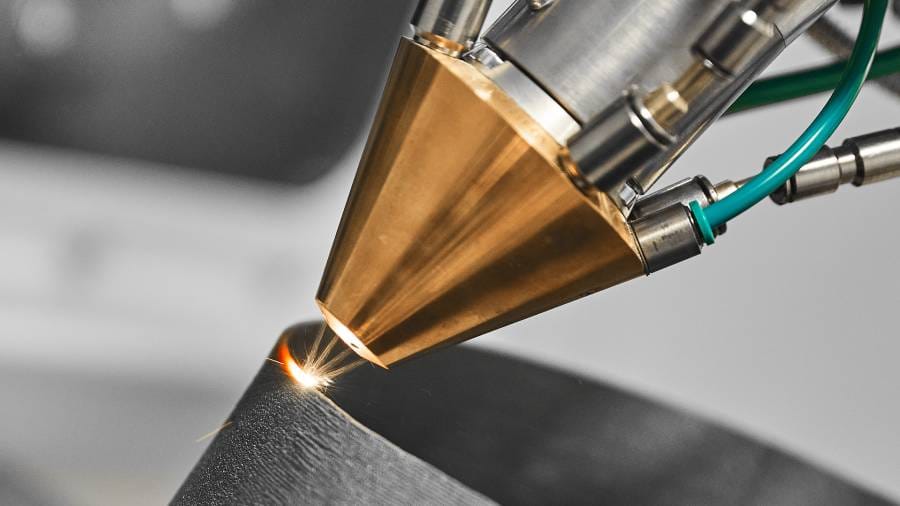
±0.1mm to ±0.5mm accuracy is usually delivered by standard desktop printers, while ±0.05mm tolerances can be achieved by professional machines; however, final precision gets impacted significantly by factors like material shrinkage, layer adhesion, and print settings.
Fast Facts:
- ±0.2mm accuracy is achieved by desktop FDM printers on average
- ±0.05mm tolerances can be reached by professional SLA systems
Accuracy gets affected by print orientation up to 30% - Dimensional accuracy is improved significantly through post-processing
- Final part tolerances are impacted by material choice
Understanding 3D Printing Tolerance Basics
Acceptable dimensional variation from your original design is referred to as tolerance in 3D printing. Perfect accuracy is expected by most hobbyists and small business owners, but multiple variables are involved in reality. ±0.2mm to ±0.5mm tolerances are typically achieved by desktop printers depending on settings and materials. Better performance is delivered by professional systems, with ±0.05mm being reached in controlled conditions. Which approach makes sense is determined by your project requirements.
Technology Types and Their Accuracy Limits
Parts are built layer by layer using melted plastic filament by FDM printers, the most common type. ±0.2mm to ±0.3mm accuracy is usually delivered by these machines for standard projects. Liquid resin cured by UV light is used by SLA printers, achieving tighter tolerances around ±0.1mm. ±0.05mm precision can be reached by SLS systems, found in professional settings; but significantly more cost is involved. Different accuracy needs and budgets are served by each technology.
Material Impact on Final Dimensions
Shrinkage and expansion at varying rates during printing and cooling are experienced by different materials. Relatively stable conditions with minimal shrinkage are maintained by PLA plastic. More warping and contraction is tended by ABS, affecting final dimensions. Somewhere between these extremes is where nylon and PETG fall. Your part’s final accuracy is directly impacted by material choice; understanding these properties helps realistic expectations for your custom parts.
Print Settings That Affect Tolerance
A major role in surface finish and dimensional accuracy is played by layer height. Better detail is provided by thinner layers (0.1mm) but longer print times are taken. Faster printing is delivered by thicker layers (0.3mm) but some precision gets sacrificed. Print speed also matters; accuracy is generally improved by slower speeds. Material flow and layer adhesion are affected by temperature settings. Experience and testing are required to get these parameters right.
Orientation and Support Considerations
Final accuracy is significantly affected by how you position your part on the print bed. More accurate printing is typically delivered by vertical surfaces than overhangs or bridges. Marks that require post-processing are left by support structures. Support needs are minimized by smart orientation while critical dimensions are maintained. Whether your prototype meets specifications or needs revision is often determined by this planning phase. Funny thing, really.
Post-Processing for Better Tolerances
Tight tolerances are rarely met by raw 3D printed parts without additional work. Dimensions can be brought into spec through sanding, drilling, and machining. Good results with certain materials and applications are delivered by chemical smoothing. Some features get printed slightly undersized, then final dimensions are achieved through machining. These finishing steps are often included by professional services in St Catharines. Time and cost are added by post-processing, but better results are delivered.
When to Choose Professional Services
Professional expertise benefits complex geometries, tight tolerances, or critical prototypes. How different factors interact to affect final quality is understood by experienced operators. Optimal materials, orientations, and post-processing techniques for your specific needs can be recommended by them. Face-to-face consultation and faster turnaround times are provided by local services. Plus, the learning curve and equipment investment required for consistent results are avoided by you. Ready to discuss your project requirements? Visit our website to get started.
Mini-FAQ:
Q: What tolerance should I expect from desktop 3D printers?
±0.2mm to ±0.3mm accuracy is delivered by most desktop FDM printers under normal conditions. Better results are helped by professional guidance that optimizes settings. That still surprises people.
Q: Can 3D printed parts match machined tolerances?
Look, machined tolerances can be approached by high-end industrial printers in specific applications. Precision machining standards are typically not met by desktop units. Much of that gap gets bridged through post-processing.
Q: What affects 3D printing accuracy the most?
The biggest impact is created by layer height, print speed, and material properties. Printer calibration gets overlooked frequently. Dimensional stability also gets affected by temperature variations during printing.
Q: How do I improve tolerance on custom prototypes?
Fair point. Significant help comes from proper orientation, slower print speeds, and post-processing techniques. A real difference in final quality is made by working with experienced operators.