
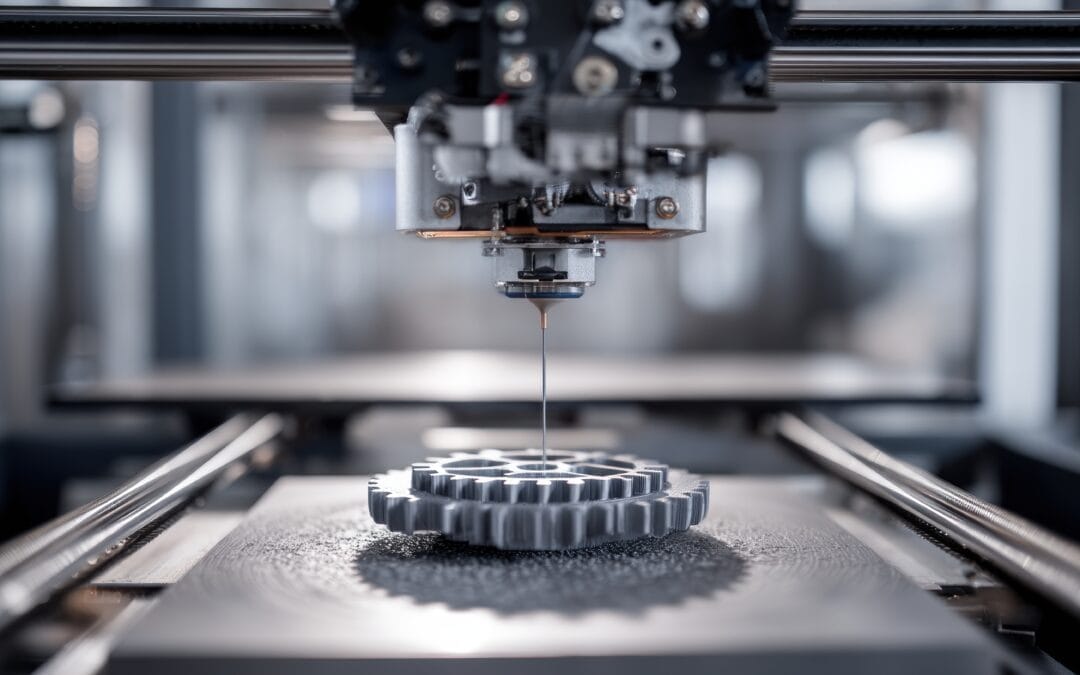
When planning your first custom project, 3D printing costs can seem mysterious. As it turns out, three main components are used to build the final price: material costs, machine time, and service fees. Weight and type are typically used to calculate material expenses, while your object’s size and complexity determine print time. Design work, post-processing, and business overhead are covered by service fees. For small batches, the total cost is often lower than traditional manufacturing; this varies depending on your specific requirements though. Once they understand how each piece contributes to the final quote, many people find the transparency refreshing.
Three parts are usually used to break down 3D printing costs: materials (typically $0.50-$3.00 per hour of printing), machine time ($5-$15 per hour), and service fees for design assistance or finishing work. Most custom items often range from $15-$200 in total project costs; size and detail requirements can make complex prototypes cost more.
Fast Facts:
• 15-30% of total 3D printing expenses are represented by material costs • Object complexity can make print time range from 2 hours to 48+ hours • Roughly $25-$30 per kilogram is what PLA plastic costs • Design assistance and finishing are typically covered by service fees that add $20-$100 • Materials and time are often included in small prototypes that cost $25-$75 in St Catharines
FAQ:
Q: How much do 3D printing materials actually cost?
Weight and type are used to calculate material pricing. About $25-$30 per kilogram is what PLA plastic runs, while $35-$50 per kilogram is what specialty materials like PETG or TPU cost. 50-200 grams of material are used by most small projects. Roughly $1.25-$10 in raw material costs is what that works out to for typical items.
Q – Why do service fees vary so much between providers?
Look, different things are covered by service fees at different shops. Basic design cleanup is included by some, while CAD work is charged separately by others. Post-processing like sanding or painting gets added on top. Fair point though; the range can feel confusing at first.
Q: Does print time really affect the final price that much?
Machine costs are directly impacted by print time since only one job at a time can be worked on by printers. Equipment that could be used for other projects gets tied up by a 4-hour print. Less per item is what faster prints generally cost, but quality is often reduced when complex designs are rushed. That still surprises people.
Q – What hidden costs should I watch for?
Funny enough, pricing is kept pretty transparent by most reputable services. Setup fees, rush charges, or extra costs for design revisions should be watched for. Supports removal or surface finishing are charged separately by some places.
Understanding Material Costs
Any 3D printing quote has material expenses as its foundation. Around $25-$30 per kilogram is where PLA plastic remains the most affordable option. But $100+ per kilogram can be what specialty materials like carbon fiber filament or medical-grade resins cost.
Between 50-200 grams of material are used by most hobbyist projects. 75 grams might be needed by a custom phone case, while 300 grams could be required by a prototype housing. Once you know the weight requirements, the math becomes pretty straightforward.
Material costs have been seen to stay fairly stable over the past few years here in St Catharines. For most applications, quality matters more than price. Failed prints and wasted time are often what cheap filament leads to.
Print Time Calculations
The biggest variable in 3D printing costs is represented by machine time. 2-3 hours are taken by a simple keychain to print, while 20+ hours can be run by complex prototypes. Quality gets balanced against print speed; rougher surfaces are often what faster settings mean.
Time is affected dramatically by layer height. Twice as long as 0.2mm layers is what printing at 0.1mm layers takes. But with thinner layers, the surface finish improves significantly. Standard 0.2mm settings work fine for most projects.
A custom bracket design was recently brought to us by one student. 12 hours of print time were shown by the initial quote. After some design tweaks, it was gotten down to 8 hours without functionality being lost. Big differences in timing are made by small changes.
Service Fee Breakdown
Everything beyond raw materials and machine time is covered by service fees. Rough sketches are helped to be turned into printable files by design assistance. Support removal, sanding, and quality checks are included in post-processing.
Help with CAD file preparation is needed by many customers. Skill and time are taken to convert a 2D drawing into a 3D model. Clients are guided through this process by us as part of our design assistance services.
Multiple identical items have setup costs spread across them. Much less per unit than printing just one is what printing 10 copies of something costs. The same regardless of quantity is what the initial file preparation and machine setup stays.
Comparing Costs to Traditional Manufacturing
For small batches and prototypes, 3D printing shines. Expensive tooling that only makes sense for thousands of units is required by traditional injection molding. But for 1-50 pieces, less is often what 3D printing costs.
5 prototype housings for a new device were recently needed by a local inventor. $15,000 for the mold alone would have been what injection molding cost. Under $300 total was what all 5 prototypes were printed for by us.
By industry and complexity, the break-even point varies. Higher quantities might be favored by traditional methods for simple parts. Even at moderate volumes, cheaper to 3D print is what complex geometries with internal features often stay.
Getting Accurate Quotes
Clear project specifications are required by accurate pricing. The final cost is affected by file format, material requirements, quantity, and timeline. Guesswork is helped to be eliminated by providing detailed drawings or CAD files.
25-50% to standard pricing is typically what rush jobs add. Money is saved and better quality is ensured by planning ahead. Extra time for design revisions and test prints is what we recommend allowing.
Free quotes for standard projects are provided by most shops. A small fee for detailed analysis might be required by complex designs. Misunderstandings are prevented and realistic expectations from the start are ensured by this.
Making Smart Cost Decisions
Cost with performance requirements are balanced by smart material choices. For prototypes and display models, PLA works great. Better durability for functional parts is offered by PETG. Specific problems are solved by specialty materials but more is what they cost.
Both time and material costs are reduced by design optimization. Less material is used by hollow parts. Support structures are minimized by proper orientation. More than most people realize is what these details matter.
Money long-term is saved by working with experienced providers. Common mistakes that lead to reprints and delays are helped to be avoided by us for customers. Projects done right the first time is what our rapid prototyping approach gets. Ready to turn your ideas into reality? Your next custom 3D printing project can be discussed by visiting our website.